A practical, compassionate guide to recognizing signs, reducing stigma, and building supportive systems for mental health at home, school, work, and in the community.
- mental health
- well-being
- psychology
- workplace wellness
- student wellness hero_image: url: /images/mental-health-support-hero.jpg alt: Diverse group of people offering supportive gestures in a calm, sunlit space
Mental health is health. When we replace stigma with understanding, we make it easier for people to seek help and heal.
[Table of Contents]
- Introduction
- What “mental health” means
- Why awareness matters
- Signs to notice
- Myths vs. facts
- Everyday practices for well-being
- How to help someone
- Supportive schools, workplaces, and communities
- Culture, identity, and equity
- Digital life and mental health
- When to seek professional help
- Crisis resources
- Conversation starters
- Final thoughts
Introduction
Mental health is a fundamental part of overall well‑being, shaping how we think, feel, relate, and act. Awareness reduces stigma, encourages early help‑seeking, and builds communities where people can thrive.
— Pull quote: “Help is available, recovery is possible, and no one has to navigate it alone.”
What “mental health” means
- The capacity to manage stress, maintain relationships, work or study productively, and contribute to community.
- It exists on a spectrum—from flourishing to significant distress—and can change over time.
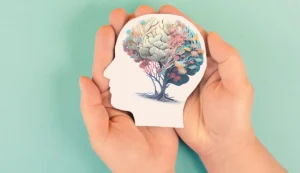
- Common conditions: anxiety, depression, trauma‑related conditions, bipolar disorder, OCD, eating disorders, substance use disorders, and psychosis. Many are treatable and manageable.
Why awareness matters
- Reduces stigma and shame that delay care.
- Enables early intervention and better outcomes.
- Advances equity by highlighting social determinants (income, housing, discrimination, access).
- Strengthens communities through supportive norms and resources.
Signs to notice
Persistent patterns that impair daily life are worth attention:
- Emotional: sadness, irritability, anxiety, numbness, mood swings
- Cognitive: trouble concentrating, indecision, racing thoughts, hopelessness
- Behavioral: withdrawal, sleep/appetite changes, increased substance use, loss of interest
- Physical: fatigue, headaches, GI issues, unexplained aches
- Risk indicators: thoughts of self‑harm or suicide, drastic behavior changes, inability to perform daily tasks
If you or someone you know is in immediate danger, contact local emergency services or a crisis hotline in your region.
Myths vs. facts
- Myth: “Mental illness is rare.”

Fact: It’s common, and many recover with support. - Myth: “It’s a personal weakness.”
Fact: Mental health conditions are influenced by biology, psychology, and environment. Seeking help is strength. - Myth: “People with mental illness can’t succeed.”
Fact: With support, people thrive in every field. - Myth: “Talking about suicide plants the idea.”
Fact: Compassionate, direct conversation can reduce risk and connect people to help.
Everyday practices for well-being
- Mind–body basics: consistent sleep, balanced nutrition, regular movement, sunlight
- Stress tools: paced breathing, grounding (5‑4‑3‑2‑1 senses), mindfulness, brief body scans
- Routine and goals: small, achievable tasks to build momentum
- Connection: schedule time with friends, family, or support groups
- Boundaries: limit doom‑scrolling; curate helpful, credible sources
- Meaning: engage in values‑aligned activities—creativity, nature, volunteering
- Professional care: therapy (CBT, DBT, ACT, EMDR) and, when appropriate, medication—guided by licensed clinicians
— Tip box: Start with one small habit (e.g., 10‑minute walk + consistent bedtime) and stack from there.
How to help someone
- Start gently: “I’ve noticed you seem overwhelmed. I care about you—want to talk?”
- Listen more than you speak; avoid quick fixes or judgment.

- Validate: “That sounds really hard. Thanks for trusting me.”
- Offer practical support: share resources, offer a ride, help with tasks.
- Respect autonomy; if there’s imminent risk, contact emergency or crisis services.
- Follow up—consistent support matters.
Supportive schools, workplaces, and communities
-
Schools/universities:
- Normalize mental health education and skills (emotion regulation, peer support).
- Expand counseling access, crisis response, and accommodations.
- Train staff in trauma‑informed practices and early identification.
-
Workplaces:
- Encourage flexible schedules, reasonable workloads, psychological safety.
- Offer benefits that cover therapy and medications; promote EAPs.
- Train managers to respond compassionately and connect people to resources.
- Reduce “always‑on” culture with breaks and boundaries.
-
Community & policy:
- Invest in affordable, culturally responsive care and telehealth.
- Support housing stability, living wages, anti‑discrimination protections.
- Expand crisis alternatives (mobile crisis teams, respite centers) and 24/7 hotlines.
Culture, identity, and equity
Experiences vary by culture, race, gender, sexuality, disability, and immigration status. Barriers include stigma, historical trauma, language access, and provider bias. Culturally competent, community‑informed care improves trust and outcomes. Peer‑led supports and faith/community leaders are vital pathways to care.
Digital life and mental health
- Upsides: connection, support groups, therapy apps, crisis text lines
- Downsides: sleep disruption, comparison, cyberbullying, misinformation
- Tips: set screen‑free times (especially before bed), prune feeds, use platform well‑being tools, seek evidence‑based information
When to seek professional help
Consider reaching out to a licensed clinician if:
- Symptoms persist for more than two weeks or significantly impair daily life.
- You’ve experienced trauma or loss and feel stuck.
- Substance use is increasing to cope with emotions.
- You have thoughts of self‑harm or suicide—seek immediate support.
Support options:
- Psychotherapies (CBT, DBT, ACT, EMDR)
- Medications as prescribed by qualified providers
- Group therapy, peer support, family counseling
Crisis resources
- United States: Call or text 988 (Suicide & Crisis Lifeline) or chat at 988lifeline.org.
- Outside the U.S.: Contact your local emergency number or a national helpline in your country.
- Immediate danger: Call emergency services right away.
Conversation starters
- Friend: “You’ve seemed quieter than usual and I care about you. I’m here to listen—no pressure.”
- Colleague: “If you’d like to talk or need flexibility, let me know what might help. We have resources available.”
- Doctor: “I’ve had low mood, poor sleep, and trouble concentrating for three weeks. Could we discuss support options?”
Final thoughts
Mental health awareness is more than a campaign—it’s a commitment to compassion, inclusion, and access to care. By learning the signs, challenging stigma, and building supportive systems, we move from silence to solidarity.
0 Comments